New moon

Aug 12

Sturgeon Moon

Aug 28

Dark-sky window

Aug 8 - Aug 16

excellent moon conditions

Best first target

M27

Ready · City-friendly

Monthly anchors

CygnusAquilaVulpeculaSagittariusScutum

August 2026

Mon
Tue
Wed
Thu
Fri
Sat
Sun
1
2
3
4
5
6
7
8
9
10
11
12
13
14
15
16
17
18
19
20
21
22
23
24
25
26
27
28
29
30
31

Meteor Showers

Perseids
Peak: Aug 12
Southern Delta Aquariids
Peak: Aug 30
Aurigids
Peak: Aug 1
Alpha Capricornids
Peak: Aug 30

Targets

Ordered for this month's Munich guide view.

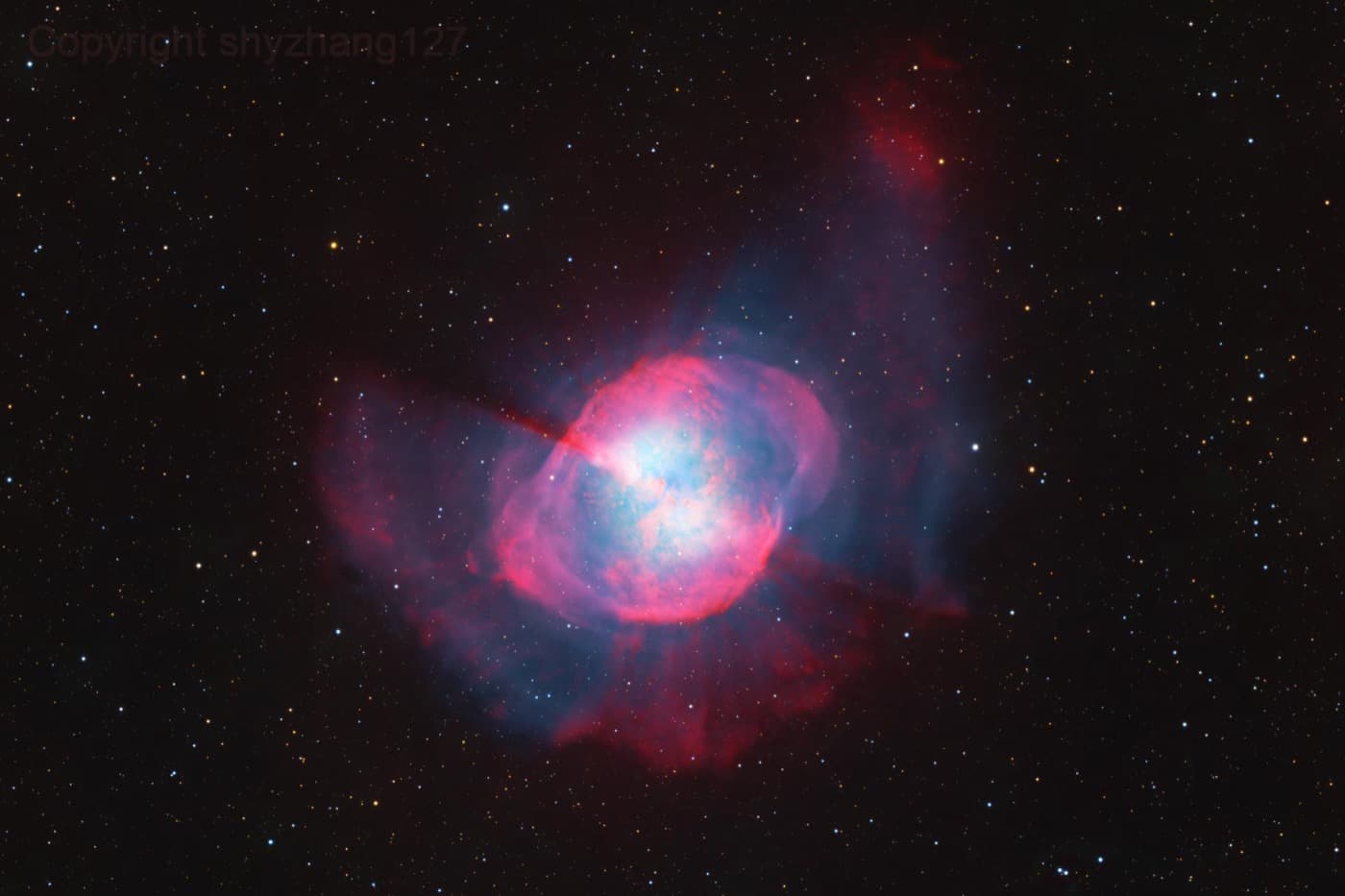
Dumbbell Nebula M27
Image source: Wikimedia Commons

Dumbbell Nebula

M27

Planetary Nebula

easy
ReadyCity-friendlyVulpeculaBinocularsMag 7.51,360 ly

The first planetary nebula ever discovered — a stellar death shroud 1,360 light-years away, expanding into space for the last 10,000 years.

Find it

Not visible to naked eye. Located in the small constellation Vulpecula, about 3° north of the bright star γ Sagittae (the middle star of Sagitta, the Arrow).
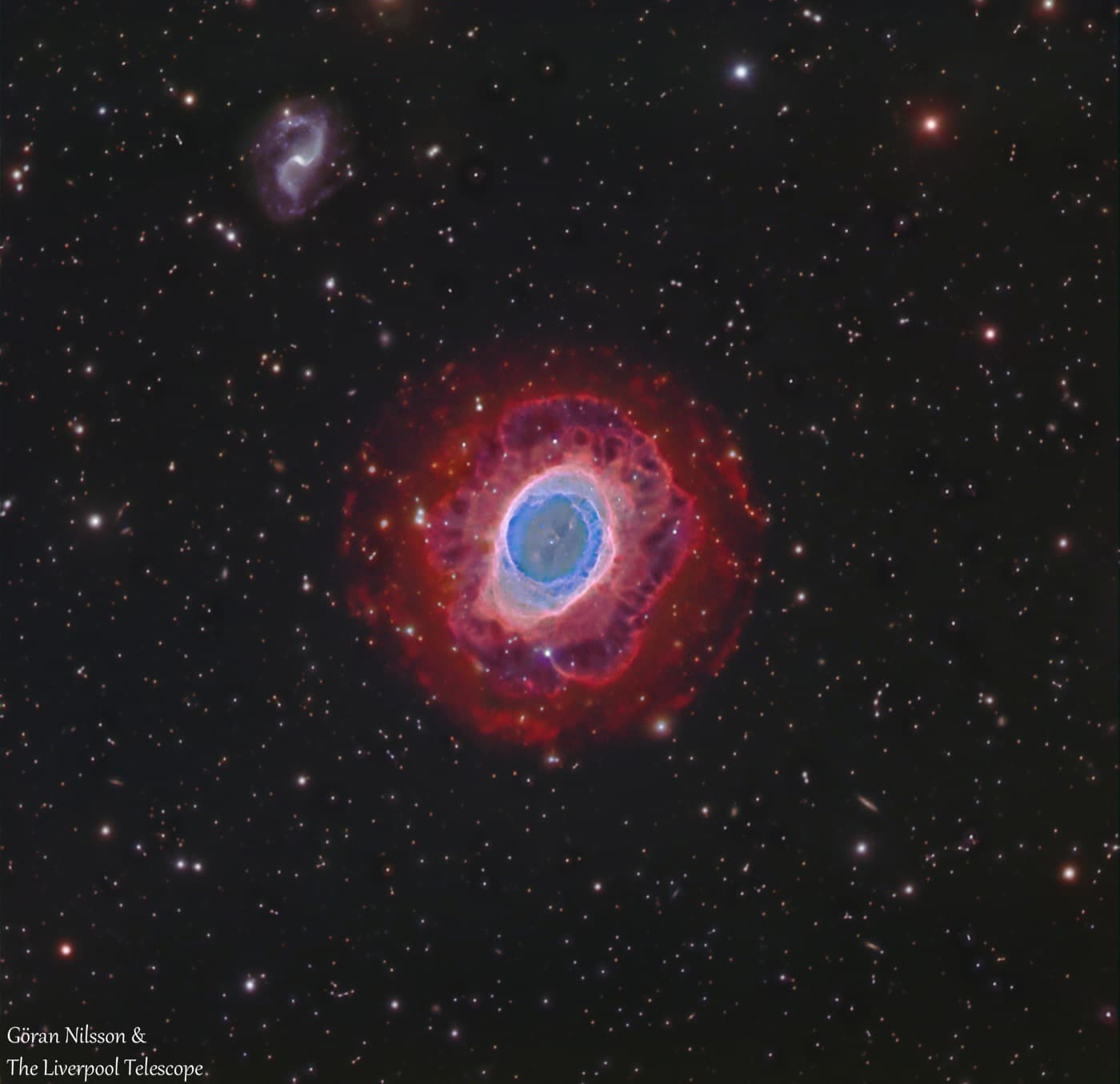
Ring Nebula M57
Image source: Wikimedia Commons

Ring Nebula

M57

Planetary Nebula

easy
ReadyCity-friendlyLyraSmall telescopeMag 8.82,300 ly

The archetypal planetary nebula — a shell of gas expelled by a dying star, now illuminated by the hot stellar remnant at its center.

Find it

Not visible to naked eye. Located between the stars Sulafat (γ Lyrae) and Sheliak (β Lyrae), the two southern stars of the Lyra parallelogram.

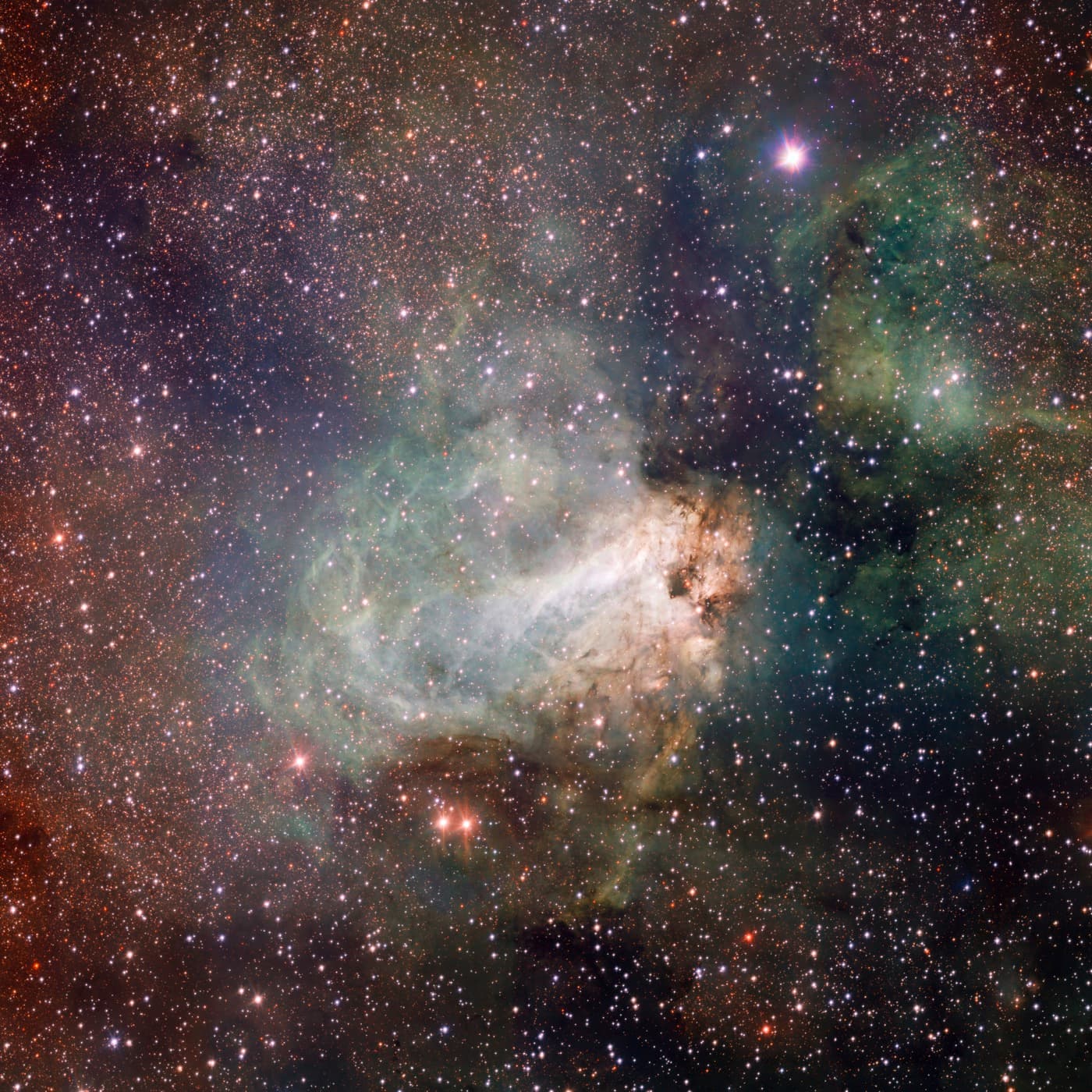
Omega Nebula M17

Swan Nebula

M17

Emission Nebula

easy
ConditionalHorizon checkSagittariusBinocularsMag 65,500 ly

One of the brightest and most massive star-forming regions in our galaxy — a stellar nursery rivaling the Orion Nebula.

Find it

May be glimpsed as a faint fuzzy patch under excellent conditions. Located about 2° south of the Eagle Nebula (M16).

Emission Nebula with Open Cluster
M8
Sagittarius

Lagoon Nebula

M8

Emission Nebula with Open Cluster

easy
ConditionalHorizon checkSagittariusNaked eyeMag 64,100 ly

A giant stellar nursery 4,100 light-years away — one of only two star-forming nebulae visible to the naked eye from mid-northern latitudes.

Find it

Visible to the naked eye as a hazy patch in the Milky Way, about 5° north of the 'lid' of the Sagittarius Teapot. On dark nights, it appears as a distinct bright spot in the Milky Way.

Open Cluster
M11
Scutum

Wild Duck Cluster

M11

Open Cluster

easy
ReadyLearningScutumBinocularsMag 5.86,200 ly

One of the richest and most compact open clusters known — resembling a flock of wild ducks in flight.

Find it

May be glimpsed as a fuzzy patch in dark skies. Located in the small constellation Scutum, in the dense star clouds of the Scutum Star Cloud.

Emission Nebula with Open Cluster
M16
Serpens

Eagle Nebula

M16

Emission Nebula with Open Cluster

moderate
ConditionalHorizon checkSerpensBinocularsMag 6.47,000 ly

Home of the famous 'Pillars of Creation' — dense columns of gas and dust where new stars are being born, captured in one of Hubble's most iconic images.

Find it

The cluster may be glimpsed as a faint fuzzy spot in dark skies. Located in Serpens Cauda (the Serpent's tail), about 2.5° west of γ Scuti.

Seasonal constellations

Sagittarius

2 targets

July
Swan NebulaLagoon Nebula

In northern Sagittarius, south of the Eagle Nebula

Lyra

1 target

July
Ring Nebula

In Lyra, between the southern stars of the parallelogram

Scutum

1 target

August
Wild Duck Cluster

In Scutum, within the Scutum Star Cloud

Serpens

1 target

July
Eagle Nebula

In Serpens Cauda, north of the Sagittarius Teapot

Vulpecula

1 target

August
Dumbbell Nebula

In Vulpecula, north of Sagitta the Arrow

Meteor showers

Perseids

Peak: August 12-13

100

meteors/hr

The most popular meteor shower thanks to warm August nights, reliable rates, and a high percentage of bright meteors. The parent comet has a 133-year orbit and last visited in 1992. Perseids are known for bright, fast meteors with persistent trains.

Best viewing

All night, best after midnight

Radiant is circumpolar from Europe - meteors visible in all directions

Photo notes

Point camera anywhere in the sky - meteors will appear in all directions. Warm nights allow longer imaging sessions.

Southern Delta Aquariids

Peak: July 30-31

25

meteors/hr

A reliable summer shower that peaks just before the Perseids. From southern Europe, rates are better than from northern locations. Meteors are medium-speed and often faint.

Best viewing

After midnight

South toward Aquarius

Photo notes

Can photograph alongside early Perseids for a two-radiant composite.

Aurigids

Peak: September 1

6

meteors/hr

A minor shower that occasionally produces surprising outbursts. The 2007 outburst reached ZHR of 130. Fast meteors from a radiant near the bright star Capella. Worth monitoring in early September.

Best viewing

After midnight until dawn

Auriga rises after midnight; best rates pre-dawn

Photo notes

Fast meteors create bright short trails. Be prepared for potential outburst activity.

Alpha Capricornids

Peak: July 30-31

5

meteors/hr

A minor shower by numbers, but famous for producing spectacular bright fireballs. The slow-moving meteors often leave persistent trains. Active at the same time as the Southern Delta Aquariids, so a good night for meteor watching overall.

Best viewing

After midnight

South toward Capricornus/Aquarius

Photo notes

Slow meteors and frequent fireballs make this an excellent photography target despite low rates.