New moon

Jan 18

Wolf Moon

Jan 3

Dark-sky window

Jan 14 - Jan 22

excellent moon conditions

Best first target

M45 Pleiades

Ready · City-friendly

Monthly anchors

TaurusOrionWinter Triangle

January 2026

Mon
Tue
Wed
Thu
Fri
Sat
Sun
1
2
3
4
5
6
7
8
9
10
11
12
13
14
15
16
17
18
19
20
21
22
23
24
25
26
27
28
29
30
31

Meteor Showers

Quadrantids
Peak: Jan 3

Targets

Ordered for this month's Munich guide view.

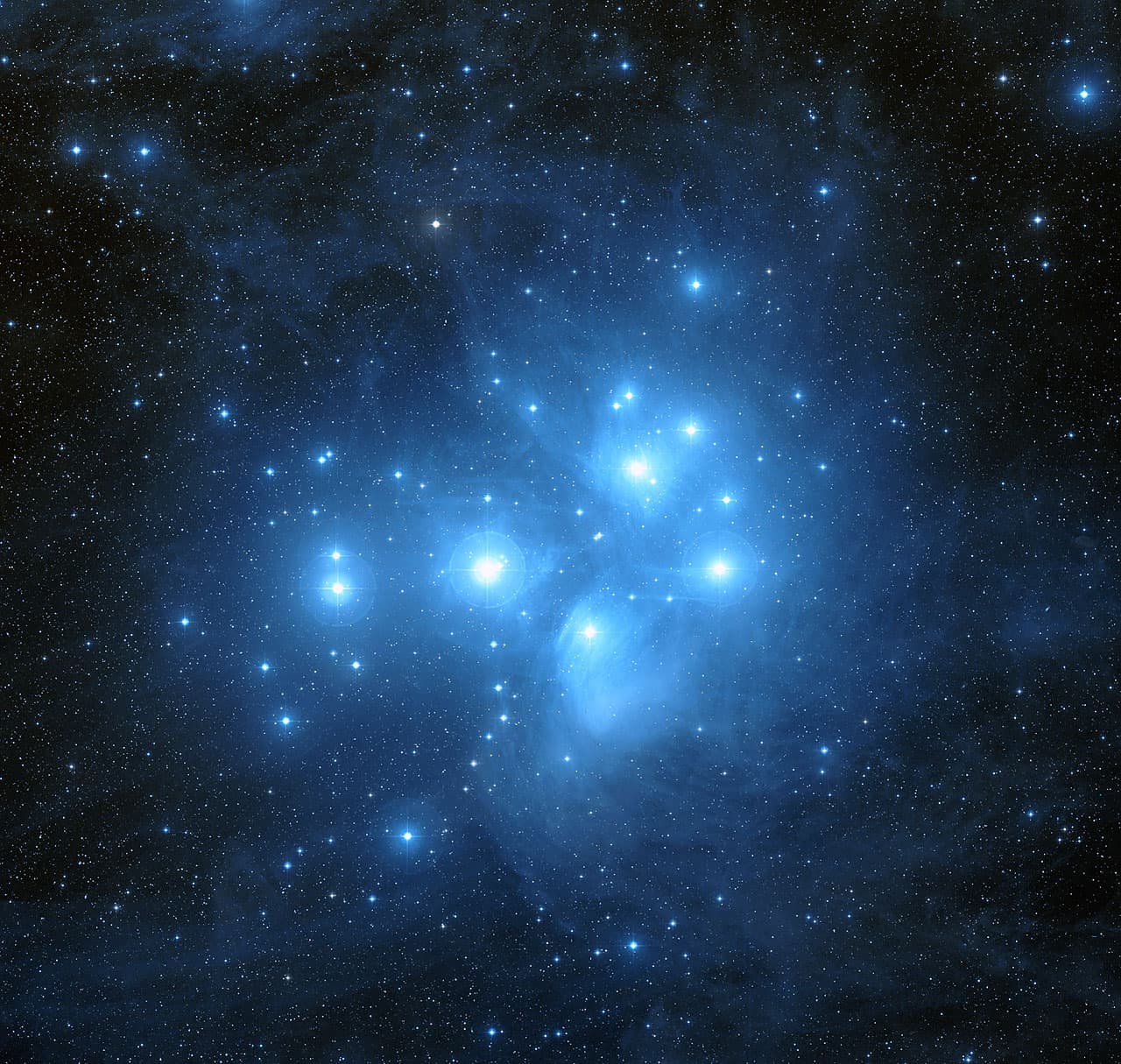
Pleiades star cluster
Image: Local guide image

Pleiades

M45

Open Cluster

easy
ReadyCity-friendlyTaurusNaked eyeMag 1.6444 ly

The nearest and most famous star cluster, known since prehistory. A true family of stars born together about 100 million years ago.

Find it

Look high in the east-southeast on December evenings. Find the bright orange star Aldebaran (the Bull's eye), then continue in the same direction — the Pleiades are the unmistakable fuzzy cluster about 15° northwest. They look like a tiny dipper shape or a small cloud of stars.
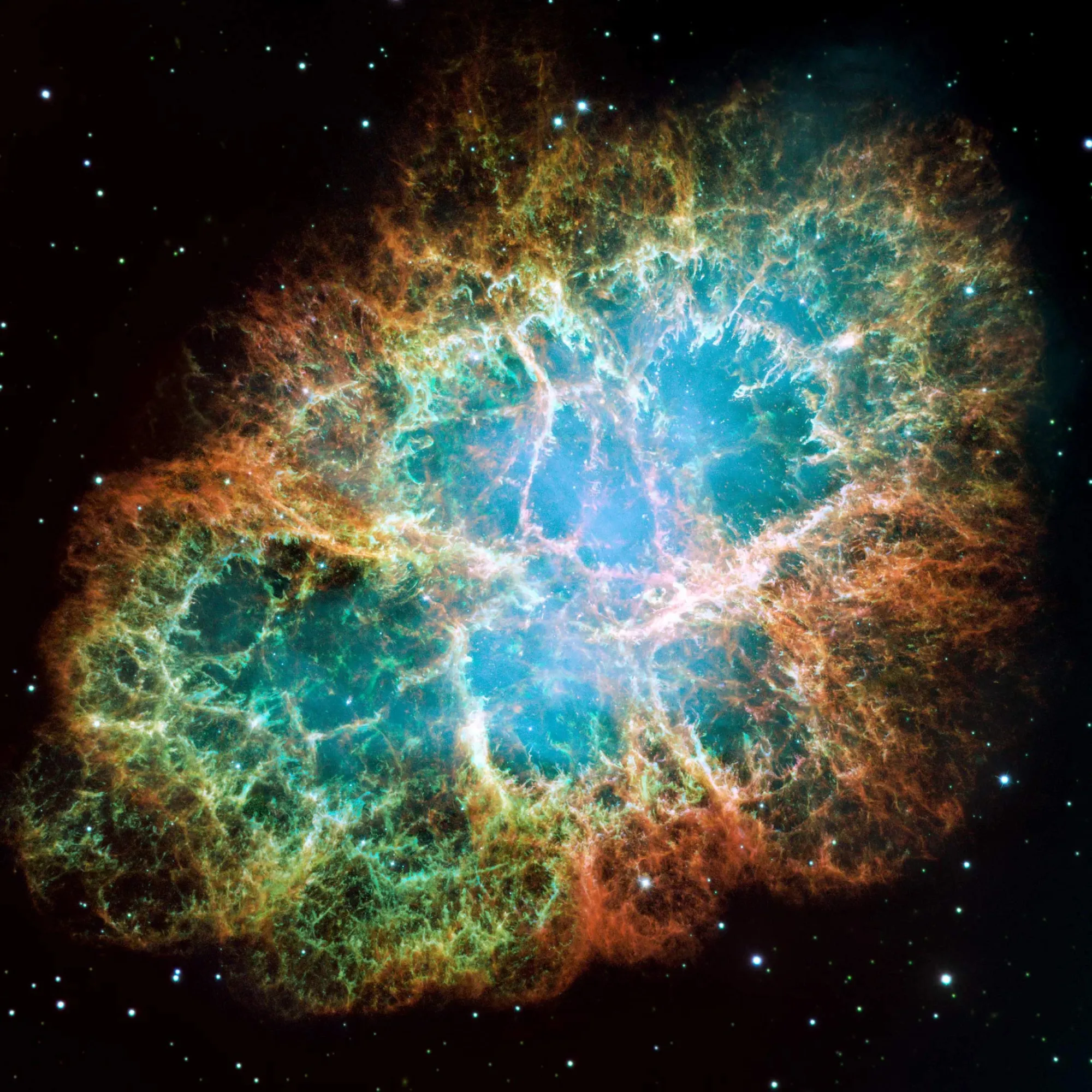
Crab Nebula mosaic
Image: Local guide image

Crab Nebula

M1

Supernova Remnant

moderate
ReadyCity-friendlyTaurusBinocularsMag 8.46,500 ly

The expanding debris from a star that exploded in 1054 AD — witnessed and recorded by Chinese and other astronomers almost 1,000 years ago.

Find it

M1 is not visible to the naked eye. Locate it by finding Zeta Tauri — the star marking the tip of Taurus's southern horn. M1 lies just 1° northwest of this star.

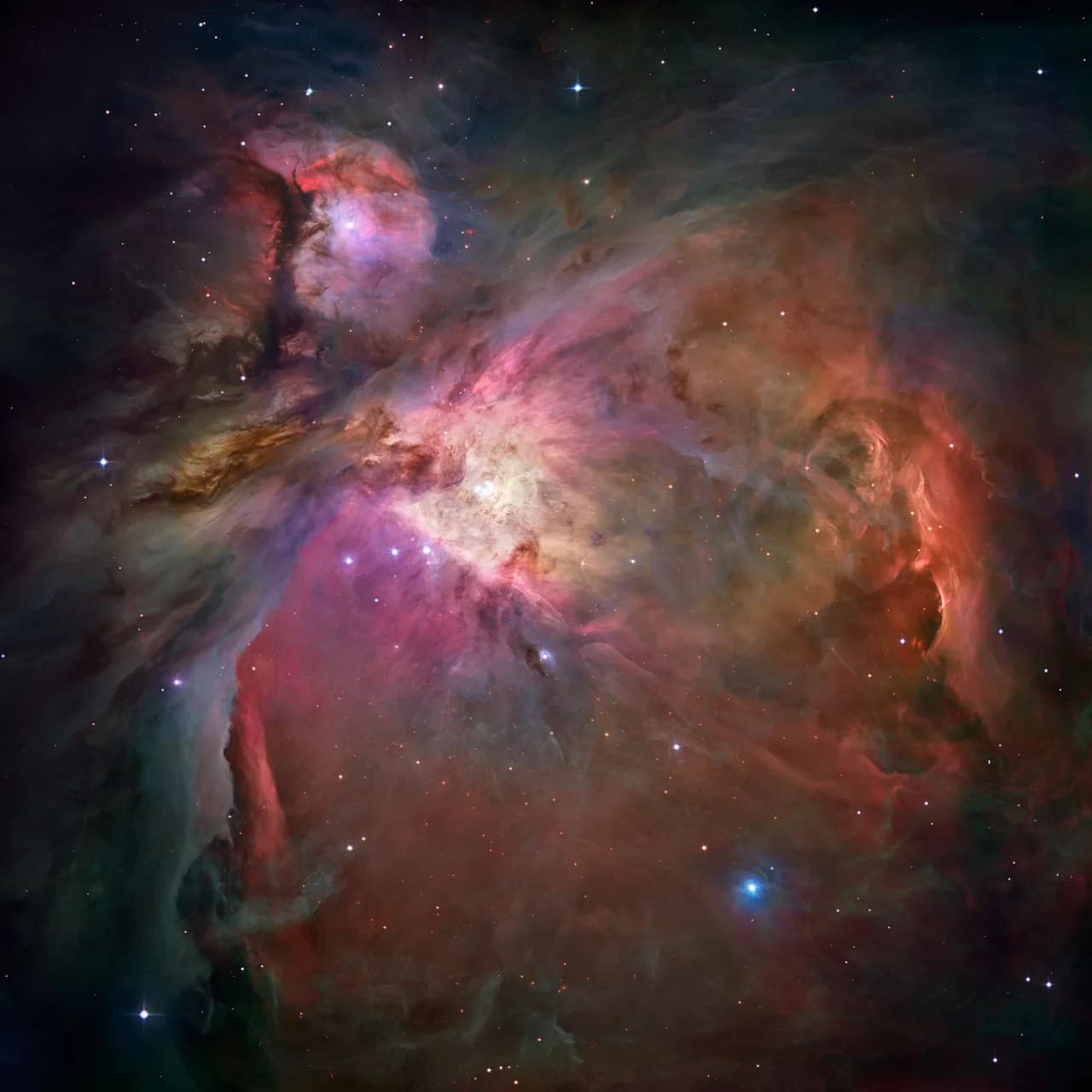
Orion Nebula
Image: Local guide image

Orion Nebula

M42

Emission Nebula

easy
ReadyCity-friendlyOrionNaked eyeMag 41,344 ly

Active stellar nursery where new stars are being born right now — the closest large star-forming region to Earth.

Find it

Find Orion's Belt — three bright stars in a row, unmistakable in the winter sky. Drop your gaze straight down about one fist-width to find the 'sword' hanging below the belt. M42 is the fuzzy middle 'star' of the sword — it looks distinctly non-stellar even to the naked eye.

Seasonal constellations

Taurus

2 targets

December
PleiadesCrab Nebula

On the shoulder of Taurus the Bull

Orion

1 target

January
Orion Nebula

In Orion's Sword, below the Belt

Meteor showers

Quadrantids

Peak: January 3-4

120

meteors/hr

One of the best annual showers but often overlooked due to cold January weather and its sharp, easy-to-miss peak. When caught at maximum, rates can rival the Perseids. The meteors are often bright blue, with some fireballs.

Best viewing

Pre-dawn (2am-6am)

Radiant rises late; meteors visible all over sky after midnight

Photo notes

Fast peak means you need to be ready on the right night. Use wide-angle lens pointed away from Moon if present.