New moon

Dec 9

Cold Moon

Dec 24

Dark-sky window

Dec 5 - Dec 13

excellent moon conditions

Best first target

M45 Pleiades

Ready · City-friendly

Monthly anchors

TaurusOrionAurigaWinter Triangle

December 2026

Mon
Tue
Wed
Thu
Fri
Sat
Sun
1
2
3
4
5
6
7
8
9
10
11
12
13
14
15
16
17
18
19
20
21
22
23
24
25
26
27
28
29
30
31

Meteor Showers

Geminids
Peak: Dec 13
Quadrantids
Peak: Dec 3
Ursids
Peak: Dec 22
Northern Taurids
Peak: Dec 12

Targets

Ordered for this month's Munich guide view.

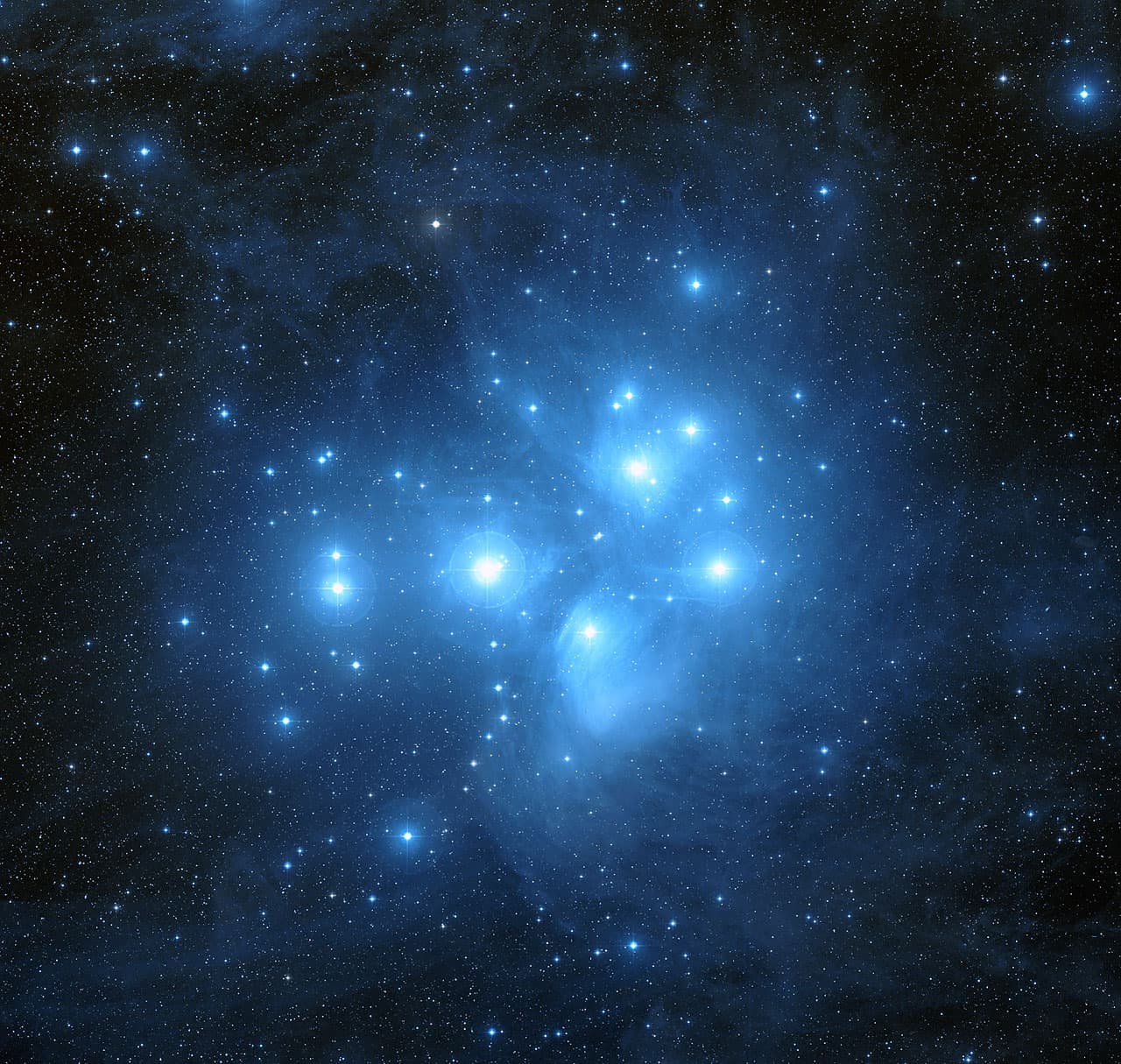
Pleiades star cluster
Image: Local guide image

Pleiades

M45

Open Cluster

easy
ReadyCity-friendlyTaurusNaked eyeMag 1.6444 ly

The nearest and most famous star cluster, known since prehistory. A true family of stars born together about 100 million years ago.

Find it

Look high in the east-southeast on December evenings. Find the bright orange star Aldebaran (the Bull's eye), then continue in the same direction — the Pleiades are the unmistakable fuzzy cluster about 15° northwest. They look like a tiny dipper shape or a small cloud of stars.
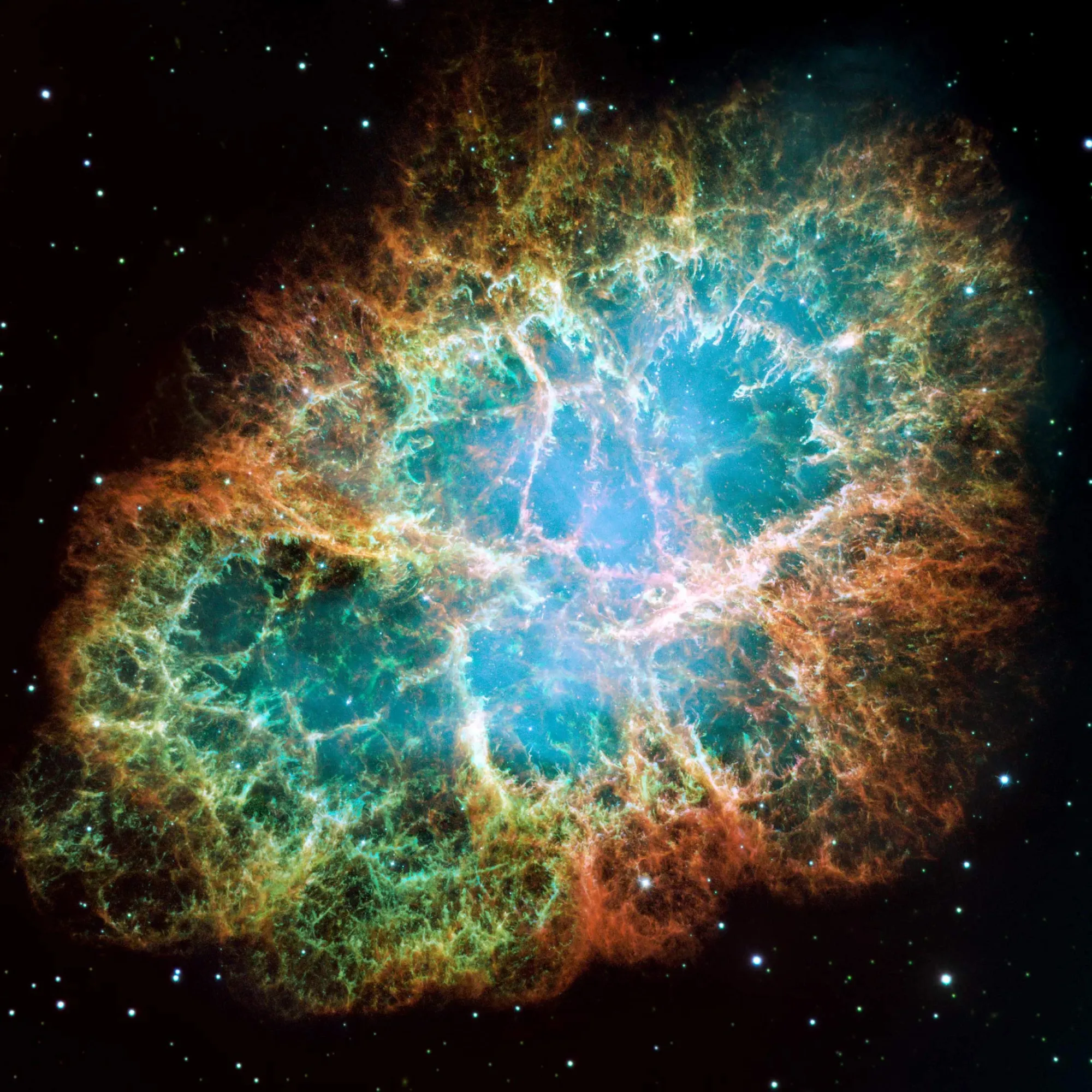
Crab Nebula mosaic
Image: Local guide image

Crab Nebula

M1

Supernova Remnant

moderate
ReadyCity-friendlyTaurusBinocularsMag 8.46,500 ly

The expanding debris from a star that exploded in 1054 AD — witnessed and recorded by Chinese and other astronomers almost 1,000 years ago.

Find it

M1 is not visible to the naked eye. Locate it by finding Zeta Tauri — the star marking the tip of Taurus's southern horn. M1 lies just 1° northwest of this star.

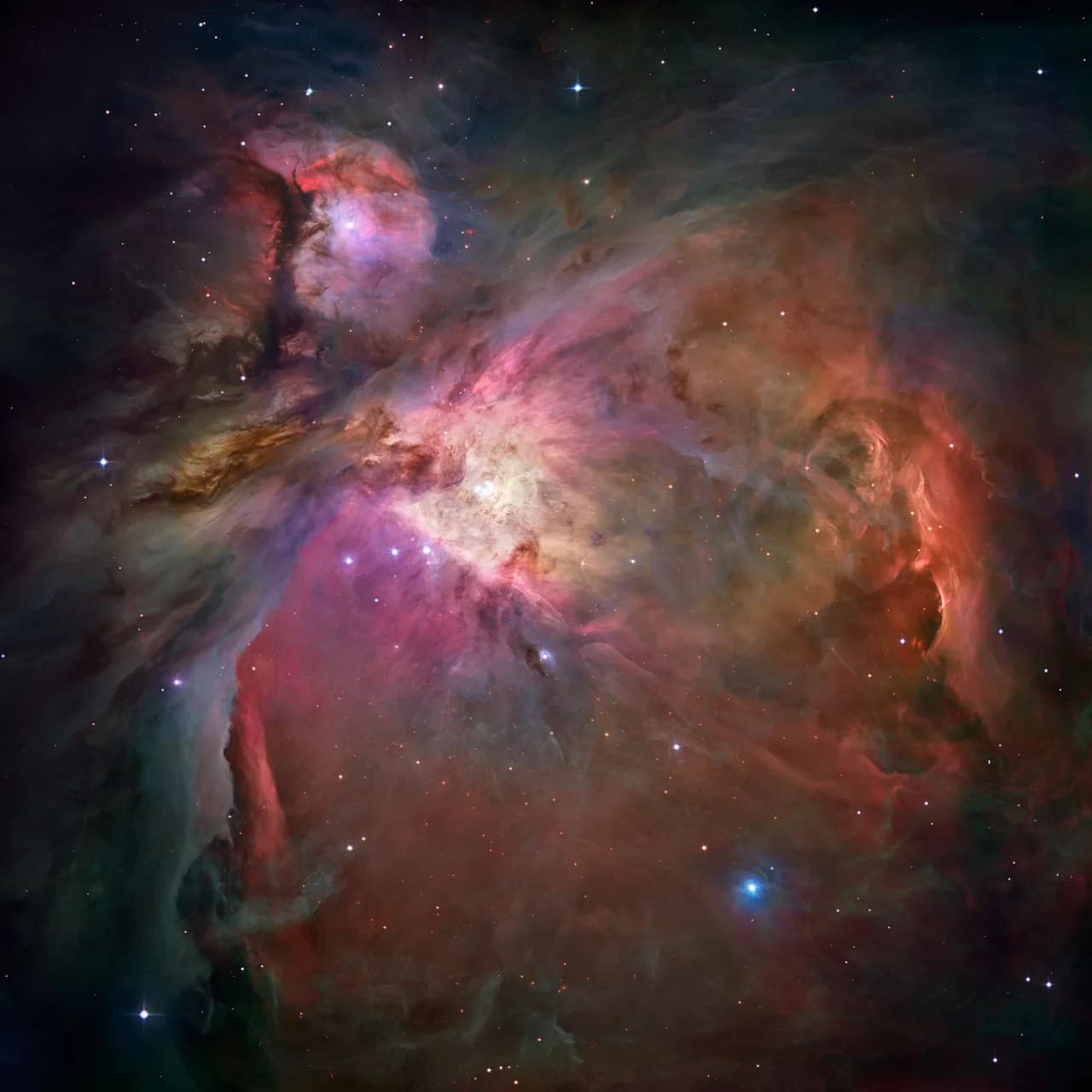
Orion Nebula
Image: Local guide image

Orion Nebula

M42

Emission Nebula

easy
ReadyCity-friendlyOrionNaked eyeMag 41,344 ly

Active stellar nursery where new stars are being born right now — the closest large star-forming region to Earth.

Find it

Find Orion's Belt — three bright stars in a row, unmistakable in the winter sky. Drop your gaze straight down about one fist-width to find the 'sword' hanging below the belt. M42 is the fuzzy middle 'star' of the sword — it looks distinctly non-stellar even to the naked eye.

Seasonal constellations

Taurus

2 targets

December
PleiadesCrab Nebula

On the shoulder of Taurus the Bull

Orion

1 target

January
Orion Nebula

In Orion's Sword, below the Belt

Meteor showers

Geminids

Peak: December 13-14

150

meteors/hr

The king of meteor showers. The Geminids produce the highest reliable rates of any annual shower and are active for several nights around peak. Meteors are medium-speed, bright, and often colorful (yellow/white/green/blue). Uniquely, the parent body is an asteroid, not a comet. Cold December nights are the only drawback.

Best viewing

Evening through dawn (Gemini rises mid-evening)

Look anywhere in the sky; meteors radiate from near Castor

Photo notes

Slow meteors allow longer exposures. Evening activity means you don't have to stay up late. Dress very warmly!

Quadrantids

Peak: January 3-4

120

meteors/hr

One of the best annual showers but often overlooked due to cold January weather and its sharp, easy-to-miss peak. When caught at maximum, rates can rival the Perseids. The meteors are often bright blue, with some fireballs.

Best viewing

Pre-dawn (2am-6am)

Radiant rises late; meteors visible all over sky after midnight

Photo notes

Fast peak means you need to be ready on the right night. Use wide-angle lens pointed away from Moon if present.

Ursids

Peak: December 22-23

10

meteors/hr

A minor but reliable shower occurring near the winter solstice. The circumpolar radiant means meteors can be seen all night from European latitudes. Rates are usually low, but occasional outbursts have produced 50+ per hour. A nice bonus after the main Geminid show.

Best viewing

All night (circumpolar radiant)

Look toward Ursa Minor (Little Dipper) / Polaris region

Photo notes

Circumpolar radiant means you can photograph all night. Low rates mean patience is required.

Northern Taurids

Peak: November 12-13

5

meteors/hr

The northern branch of the Taurid Complex. Like the Southern Taurids, rates are low but fireballs are common. Some years show enhanced activity ('Taurid swarm years') with increased fireball rates. The slow-moving meteors are easy to spot and photograph.

Best viewing

After midnight

Taurus is well-placed all night in November

Photo notes

Slow meteors ideal for photography. November nights offer long darkness hours.