New moon

Oct 10

Hunter's Moon

Oct 26

Dark-sky window

Oct 6 - Oct 14

excellent moon conditions

Best first target

M45 early-season preview

Preview · City-friendly

Monthly anchors

Taurus returningAutumn gap

October 2026

Mon
Tue
Wed
Thu
Fri
Sat
Sun
1
2
3
4
5
6
7
8
9
10
11
12
13
14
15
16
17
18
19
20
21
22
23
24
25
26
27
28
29
30
31

Meteor Showers

Orionids
Peak: Oct 21
Draconids
Peak: Oct 8
Southern Taurids
Peak: Oct 10
Northern Taurids
Peak: Oct 12

Targets

Ordered for this month's Munich guide view.

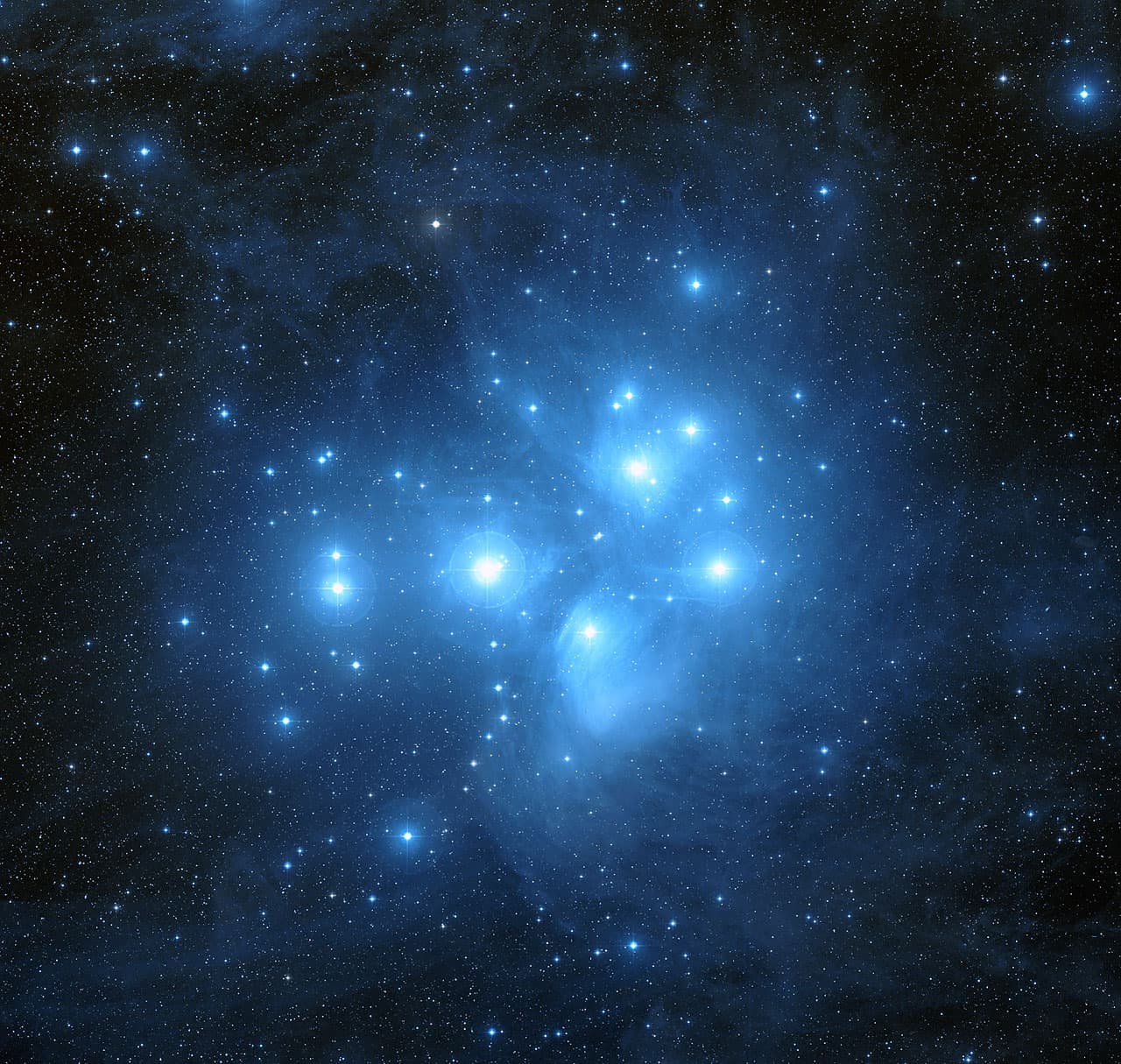
Pleiades star cluster
Image: Local guide image

Pleiades

M45

Open Cluster

easy
PreviewCity-friendlyTaurusNaked eyeMag 1.6444 ly

The nearest and most famous star cluster, known since prehistory. A true family of stars born together about 100 million years ago.

Find it

Look high in the east-southeast on December evenings. Find the bright orange star Aldebaran (the Bull's eye), then continue in the same direction — the Pleiades are the unmistakable fuzzy cluster about 15° northwest. They look like a tiny dipper shape or a small cloud of stars.

Seasonal constellations

Taurus

1 target

December
Pleiades

On the shoulder of Taurus the Bull

Meteor showers

Orionids

Peak: October 21-22

20

meteors/hr

The autumn counterpart to the Eta Aquariids - both come from Halley's Comet. Orionids are very fast meteors with many bright examples and persistent trains. The broad peak allows good viewing over several nights.

Best viewing

After midnight until dawn

Orion rises late evening - best rates in pre-dawn hours

Photo notes

Fast meteors mean bright trails. Point toward Orion after midnight.

Draconids

Peak: October 8-9

5

meteors/hr

Usually a very weak shower, but historically produced spectacular meteor storms when Earth passed close to fresh comet debris. The 1933 and 1946 storms produced thousands of meteors per hour. Exceptionally slow-moving meteors. Always worth checking in case of unexpected outburst.

Best viewing

Evening hours (unusual!)

Look toward Draco in the northwest after sunset

Photo notes

Very slow meteors. Evening activity (unusual). Monitor IMO alerts for potential outbursts.

Southern Taurids

Peak: October 10-11

5

meteors/hr

Part of the Taurid Complex, a broad stream of debris from Comet Encke. While rates are low, the Southern Taurids are famous for producing bright fireballs and bolides. The extended activity period means Taurid fireballs can appear throughout October and November.

Best viewing

After midnight

Taurus rises in late evening; best after midnight

Photo notes

Long activity period allows many photography opportunities. Watch for bright fireballs.

Northern Taurids

Peak: November 12-13

5

meteors/hr

The northern branch of the Taurid Complex. Like the Southern Taurids, rates are low but fireballs are common. Some years show enhanced activity ('Taurid swarm years') with increased fireball rates. The slow-moving meteors are easy to spot and photograph.

Best viewing

After midnight

Taurus is well-placed all night in November

Photo notes

Slow meteors ideal for photography. November nights offer long darkness hours.